For many people, the thought of having a tooth pulled can be intimidating. One of the most common questions we hear at Kashmere Dental Studios is, "Is getting a tooth extracted going to hurt?"
The good news is that modern dentistry has made tooth extractions far more comfortable than most patients expect. With effective anesthesia, sedation options, proper aftercare, and thoughtful treatment planning, removing a problematic tooth doesn't have to be a frightening experience.
At Kashmere Dental Studios in Converse, TX, Dr. Kash believes in not only making extractions as comfortable as possible, but also protecting the health of your jawbone afterward.
Let's explore what to expect during a tooth extraction, how to minimize discomfort, and why bone grafting is an important part of our approach to long-term oral health.
Does Getting a Tooth Pulled Hurt?
During a properly numbed tooth extraction, you should not feel sharp pain.
Before beginning the procedure, your dentist administers local anesthesia to numb the tooth and surrounding tissues.
Once the area is completely numb, you may feel pressure, pushing, or movement as the tooth is gently loosened and removed. However, pressure and pain are two very different sensations.
If you experience sharp pain during the procedure, let your dentist know immediately so additional anesthesia or other adjustments can be provided.
In fact, many patients are surprised by how quickly and comfortably a routine extraction can be completed.
What If I'm Nervous About Having a Tooth Extracted?
Dental anxiety is extremely common, especially for patients who have experienced uncomfortable dental procedures in the past.
At Kashmere Dental Studios, we understand these concerns and offer several options to help patients feel more relaxed.
Local Anesthesia: Numbs the treatment area to prevent pain during the extraction.
Nitrous Oxide (Laughing Gas): Helps reduce anxiety while allowing you to remain awake and responsive throughout the procedure.
Oral Conscious Sedation: For eligible patients with significant dental anxiety or those undergoing more extensive procedures, oral conscious sedation can provide a deeper level of relaxation.
Sedation helps manage anxiety and improve comfort, while local anesthesia is still used to numb the area.
Our goal is to make sure you're comfortable and confident before treatment begins.
How Much Pain Should I Expect After a Tooth Extraction?
Once the local anesthesia wears off, some soreness, swelling, and tenderness are normal.
The amount of discomfort depends on several factors, including:
- The location and condition of the tooth.
- Whether the extraction was routine or surgical.
- The presence of infection or inflammation.
- Your body's individual healing response.
- How closely you follow your post-operative instructions.
For most routine extractions, discomfort is greatest during the first 24–72 hours and gradually improves afterward.
Surgical extractions, including impacted wisdom teeth, may require a longer recovery period.
The important thing to remember is that discomfort should generally improve with time, not progressively worsen.
7 Ways to Reduce Pain After a Tooth Extraction
1. Take Pain Medication as Directed
Your dentist may recommend ibuprofen, acetaminophen, or a combination of both, depending on your medical history.
For many patients, these non-opioid medications provide effective pain relief following dental extractions.
Always follow your dentist's instructions and avoid medications that may interfere with your existing medical conditions or prescriptions.
2. Apply a Cold Compress
Applying a cold compress to the outside of your cheek can help minimize swelling and discomfort.
During the first 24–48 hours, try applying it for 15–20 minutes at a time, followed by a break.
3. Protect the Blood Clot
After a tooth is removed, a blood clot forms inside the extraction socket. This clot protects the underlying bone and plays an essential role in healing.
For at least the first 24 hours, avoid vigorous rinsing, forceful spitting, and drinking through straws. Avoid smoking or vaping during healing.
Disrupting the blood clot can increase your risk of developing a painful condition known as dry socket.
4. Eat Soft Foods
Choose foods that require minimal chewing, such as scrambled eggs, yogurt, mashed potatoes, and lukewarm soups.
Avoid hard, crunchy, spicy, or very hot foods during the initial healing period.
5. Rest and Take It Easy
Avoid strenuous exercise or heavy lifting for at least the first 24 hours, or longer if recommended by your dentist.
Resting with your head slightly elevated may also help reduce swelling.
6. Maintain Good Oral Hygiene
Continue brushing your other teeth gently, but avoid disturbing the extraction site.
After the first 24 hours, gentle warm saltwater rinses may help keep the area clean, provided your dentist recommends them.
7. Follow Your Dentist's Instructions
Every extraction is different. Following your personalized post-operative instructions is one of the most important steps toward a comfortable and successful recovery.
Why Bone Grafting Matters After a Tooth Extraction
Here's something many patients don't realize: Removing a tooth doesn't just leave a space in your smile. It also changes the bone underneath your gums.
Your natural teeth help maintain the surrounding jawbone. Once a tooth is removed, the bone that previously supported it begins to shrink.
Research has shown that the jawbone can lose a substantial amount of its original ridge width during the first year after extraction, with much of that change occurring within the first several months.
Unfortunately, this bone loss can make future dental treatment more complicated.
That's why, at Kashmere Dental Studios, Dr. Kash believes in routinely recommending bone grafting after tooth extractions whenever clinically appropriate.
Our philosophy is simple: Why allow valuable bone to disappear if we have an opportunity to help preserve it?
What Exactly Is a Bone Graft?
Bone grafting, also called socket preservation when performed after an extraction, involves placing a specialized grafting material into the space where the tooth was removed.
This material acts as a framework that supports the development of new bone as your body heals.
In some cases, a protective membrane is also placed over the graft to help stabilize the material and support healing.
The procedure can typically be completed during the same appointment as your extraction, while the area is already numb.
Can Bone Grafting Reduce Pain After an Extraction?
Many patients wonder whether adding a bone graft will make their recovery more uncomfortable.
Fortunately, bone grafting doesn't necessarily mean a more painful recovery.
Because the graft can often be placed immediately after the tooth is removed, patients generally don't need a separate surgical appointment.
Some patients experience minimal discomfort after extraction and bone grafting.
However, it's important to understand that bone grafting has not been consistently shown to significantly reduce post-extraction pain or prevent dry socket.
Its greatest benefits are preserving bone volume, supporting the healing process, and helping create more predictable conditions for future restorative treatment.
5 Important Benefits of Bone Grafting
1. Preserves Your Jawbone
Bone grafting helps reduce the natural bone shrinkage that occurs after a tooth is removed. Although it cannot prevent all bone loss, it can help preserve more of the original bone structure.
2. Supports Future Dental Implants
Dental implants require sufficient healthy bone for support.
Preserving bone at the time of extraction may make future implant placement easier and reduce the need for additional bone grafting procedures.
3. Helps Maintain Your Natural Smile
Bone loss can affect the contours of your gums and jaw.
Preserving the underlying bone can help maintain the natural appearance of the surrounding tissues, particularly when front teeth are removed.
4. Provides More Predictable Treatment Options
Maintaining adequate bone volume gives patients greater flexibility when considering future tooth replacement.
Even if you're not ready for a dental implant today, preserving bone may make treatment easier in the future.
5. Helps Avoid More Extensive Procedures Later
Rebuilding bone after significant shrinkage can sometimes require more complicated, expensive, and time-consuming procedures.
Preserving bone during the original extraction may reduce the need for additional treatment later.
Why Does Dr. Kash Recommend Bone Grafting So Routinely?
At Kashmere Dental Studios, we believe dentistry should focus on more than solving today's immediate problem.
It should also help prevent tomorrow's problems.
That's why Dr. Kash routinely discusses bone grafting with patients undergoing tooth extractions.
Even when a patient isn't planning to replace a missing tooth immediately, preserving the jawbone may provide important benefits for years to come.
We would rather help preserve your natural bone today than have to rebuild it years later.
Of course, every extraction is different. Certain situations, including some wisdom tooth extractions, may not benefit from grafting. Dr. Kash evaluates each patient's individual needs and explains when bone grafting is recommended.
Our goal is to provide patients with the information they need to make confident decisions about their oral health.
When Is Pain After a Tooth Extraction Not Normal?
Although some discomfort is expected, certain symptoms may indicate a complication.
Contact your dentist if you experience:
- Severe pain that worsens several days after extraction.
- Pain radiating toward your ear or jaw.
- Increasing swelling, fever, or drainage.
- Persistent bleeding that doesn't improve with firm gauze pressure.
- A foul taste or odor accompanied by worsening pain.
These symptoms may indicate dry socket, infection, or another complication that requires evaluation.
Difficulty breathing or swallowing, or rapidly spreading facial swelling, requires immediate emergency medical attention.
Can Removing a Tooth Actually Relieve Pain?
Absolutely!
Many patients seek emergency dental treatment because they're already experiencing significant discomfort from an infected, fractured, or severely damaged tooth.
When a tooth cannot be predictably saved, removing it can eliminate the underlying source of pain.
Although some temporary soreness is expected afterward, many patients find that the healing discomfort is more manageable than the toothache they experienced before treatment.
Comfortable Tooth Extractions and Bone Grafting in Converse, TX
At Kashmere Dental Studios, we understand that having a tooth removed can feel overwhelming.
That's why Dr. Kash and his team take the time to explain your treatment options, address your concerns, and make your experience as comfortable as possible.
Whether you need a routine extraction, wisdom tooth removal, bone grafting, or additional help managing dental anxiety, we're here to help.
We proudly welcome patients of all ages and offer Sunday appointments to accommodate busy families and work schedules.
Experiencing tooth pain or concerned about an upcoming extraction?
Contact Kashmere Dental Studios in Converse, TX, to schedule an evaluation and learn more about your treatment options.
Because great dentistry isn't just about getting you out of pain today. It's about protecting your smile for tomorrow.
Share this post

Dr. Aakash Gupta
Dentist and Founder
Explore more blogs
November 12, 2026
Your Health Shouldn't Have to Wait: Why Financing Dental Treatment Is Okay
Don't delay dental care! Kashmere Dental Studios in Converse, TX offers multiple financing options, including qualifying 0% interest plans.
November 12, 2026
Preventive Dentistry in Converse, TX: Why Dr. Kash Believes Prevention Is the Best Dental Treatment
Looking for preventive dentistry in Converse, TX? Dr. Kash explains how exams, cleanings, and early detection protect your smile. Open Sundays!
November 12, 2026
Are Tooth Extractions Painful? How to Reduce Pain and Why Bone Grafting Matters
Learn if tooth extractions hurt, 7 ways to reduce pain, and why Dr. Kash recommends bone grafting at Kashmere Dental Studios in Converse, TX.
October 26, 2026
What Does Laughing Gas Actually Feel Like? Your Star-Quality Experience at Kashmere Dental Studios
Maybe you’ve gone years without a visit, or your child feels a little nervous about their next appointment.

November 12, 2026
Deep Cleaning vs Regular Cleaning
Do you need a deep cleaning or regular cleaning? Learn the difference and schedule a dental cleaning evaluation at Kashmere Dental Studios in Converse, TX.

September 21, 2026
Why Sunday Dental Appointments Are Easier for Busy Families
Busy during the week? Discover why Sunday dental appointments make dental care easier for families. Kashmere Dental Studios in Converse, TX is open Sundays for kids and adults.
September 11, 2026
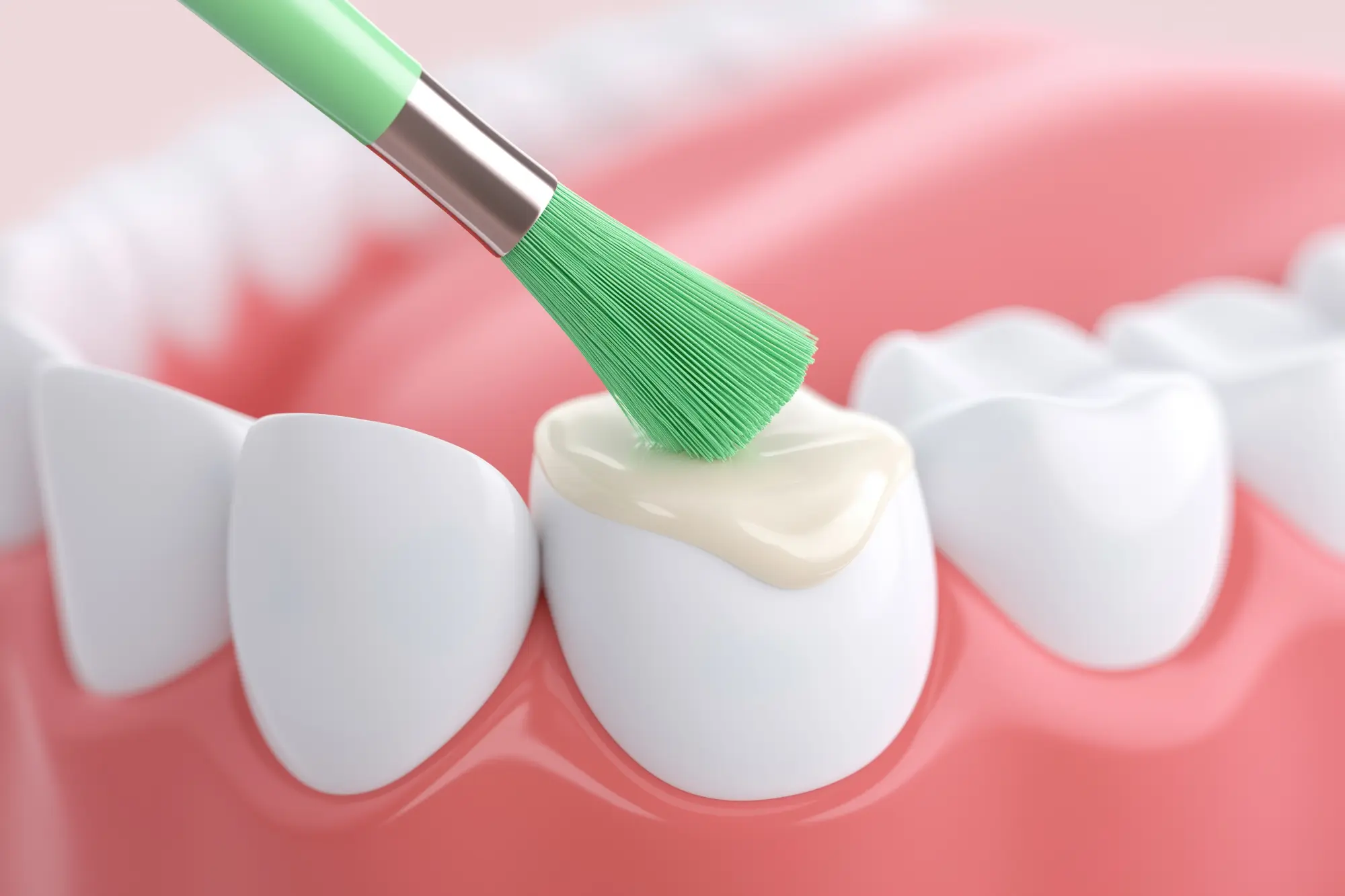
Is Fluoride Safe for Kids? What Parents in Converse Should Know
At Kashmere Dental Studios in Converse, TX, we know that navigating parenting decisions like these can feel overwhelming.

June 27, 2026
Oral Sedation vs. Laughing Gas: What’s Right for You or Your Child?
Every great story needs good direction, especially when your comfort and care are the top priorities.
September 11, 2026
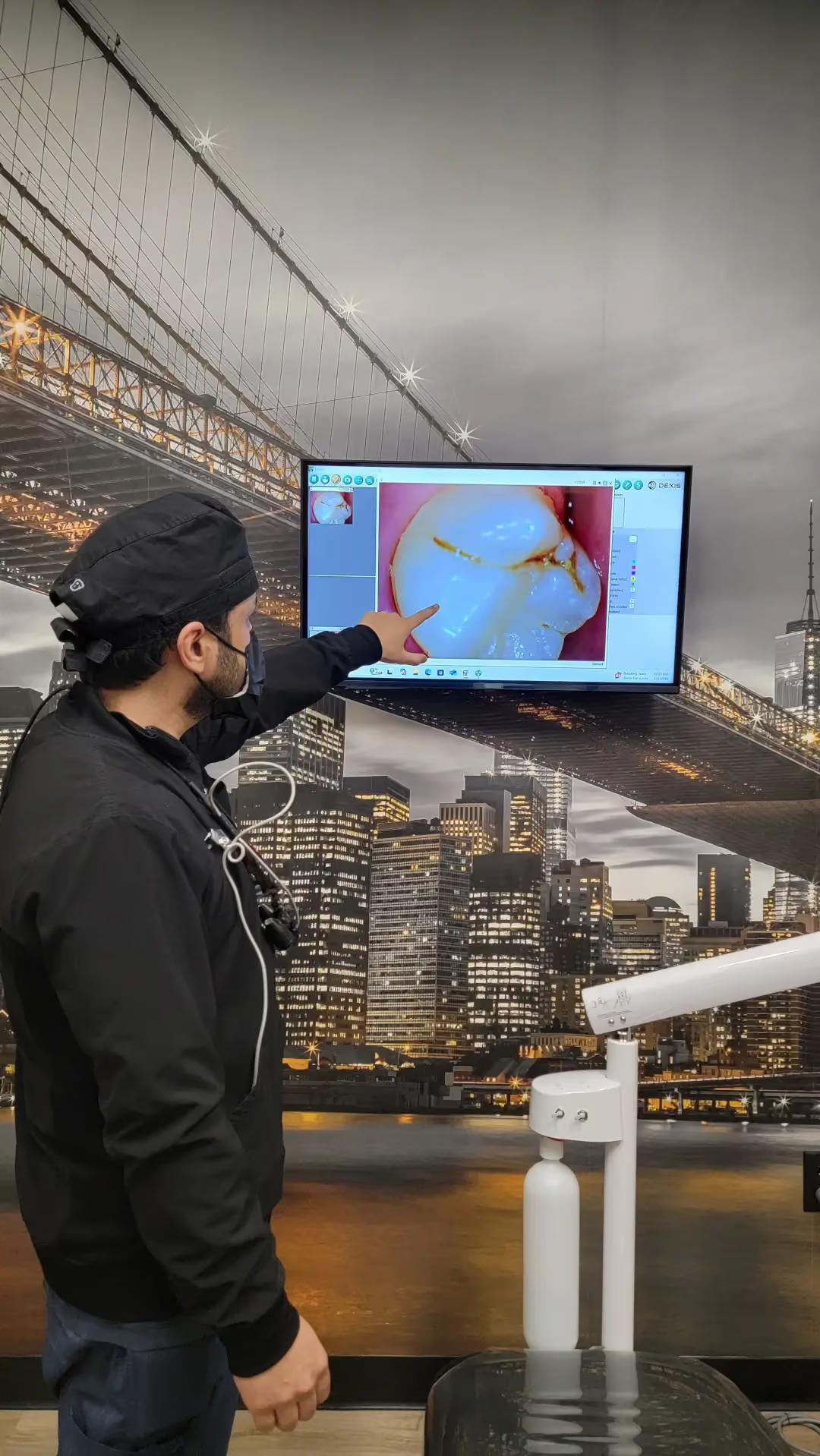
Why Your Tooth Didn’t Hurt… Until We Touched It
It’s one of the most common things patients say after a dental visit: “My tooth didn’t hurt until you worked on it.”
May 4, 2026
Why Waiting for Tooth Pain Means It’s Already Too Late
Many people assume that if their teeth aren’t hurting, everything must be okay. Unfortunately, that’s one of the biggest misconceptions in dentistry. By the time you feel pain, the problem has usually progressed far beyond the early stages—and often requires more complex (and expensive) treatment.

April 14, 2026
Why Baby Teeth Are Important: A Parent’s Guide to Healthy Child Development
Many parents ask, “Do baby teeth really matter if they’re going to fall out anyway?” The answer is yes — they matter a lot. Baby teeth, also called primary teeth, play an important role in your child’s growth, speech, nutrition, confidence, and future smile. At Kashmere Dental Studios, we help families in Converse and San Antonio understand why caring for baby teeth is one of the best things you can do for your child’s long-term health.

June 23, 2026
Welcome to Kashmere Dental Studios
Behind the fedora is Dr. Aakash Gupta, DMD, known by patients simply as Dr. Kash. Born and raised in Detroit with a background in film studies, Dr. Kash discovered dentistry after a chance encounter that showed him he could explain complex ideas with clarity and heart. He traded scripts for scalers and went on to graduate from UNLV School of Dental Medicine, where he earned multiple awards and induction into the Omicron Kappa Upsilon National Dental Honor Society.