

Restorative dentistryin Converse, TX
Kashmere Dental Studios, we provide personalized restorative dentistry for both kids and adults. Whether your child has a cavity or you're dealing with broken or missing teeth, Dr. Kash takes a compassionate, no-pressure approach to help you get back to smiling with confidence.


What is restorative dentistry?
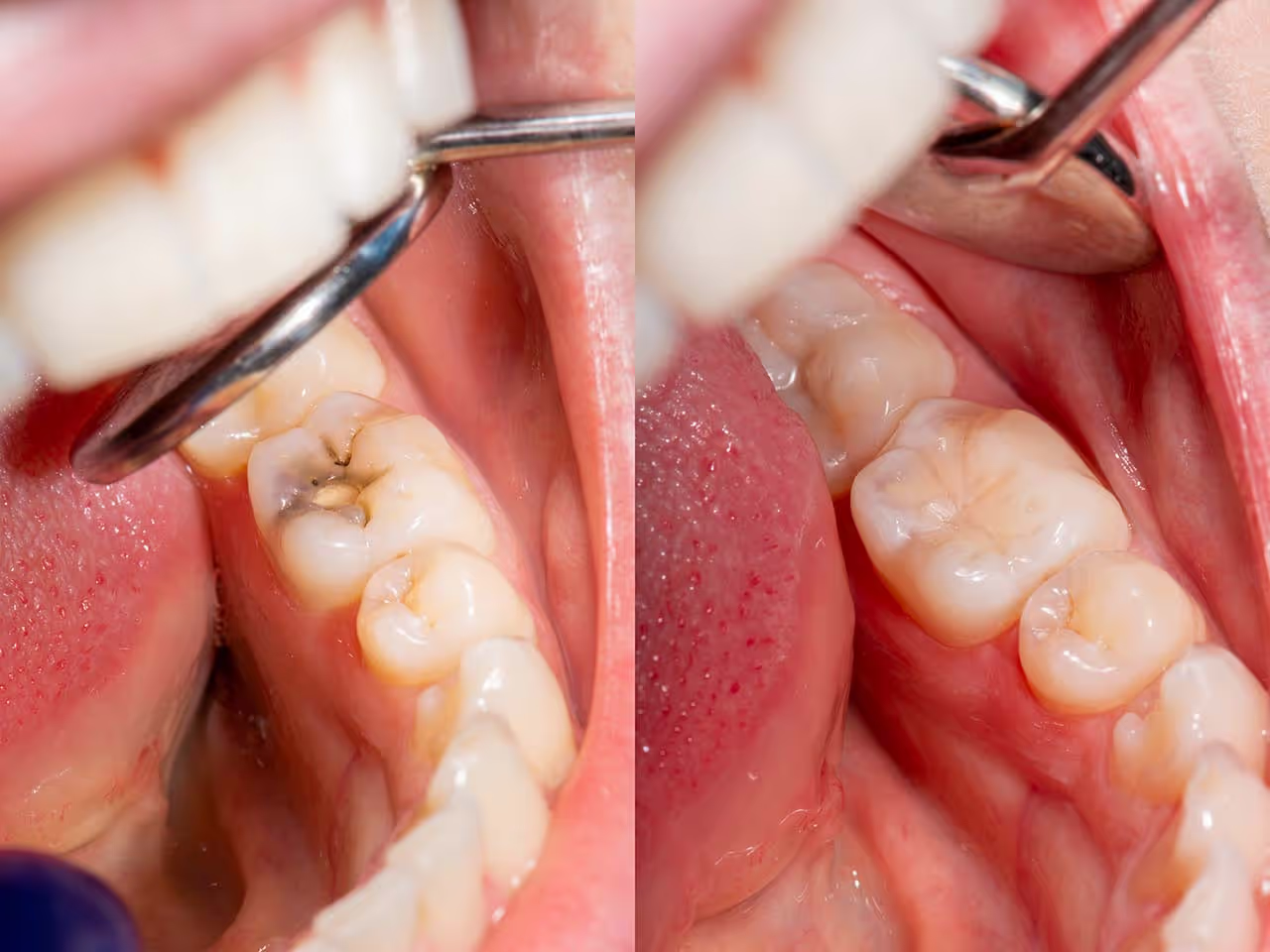
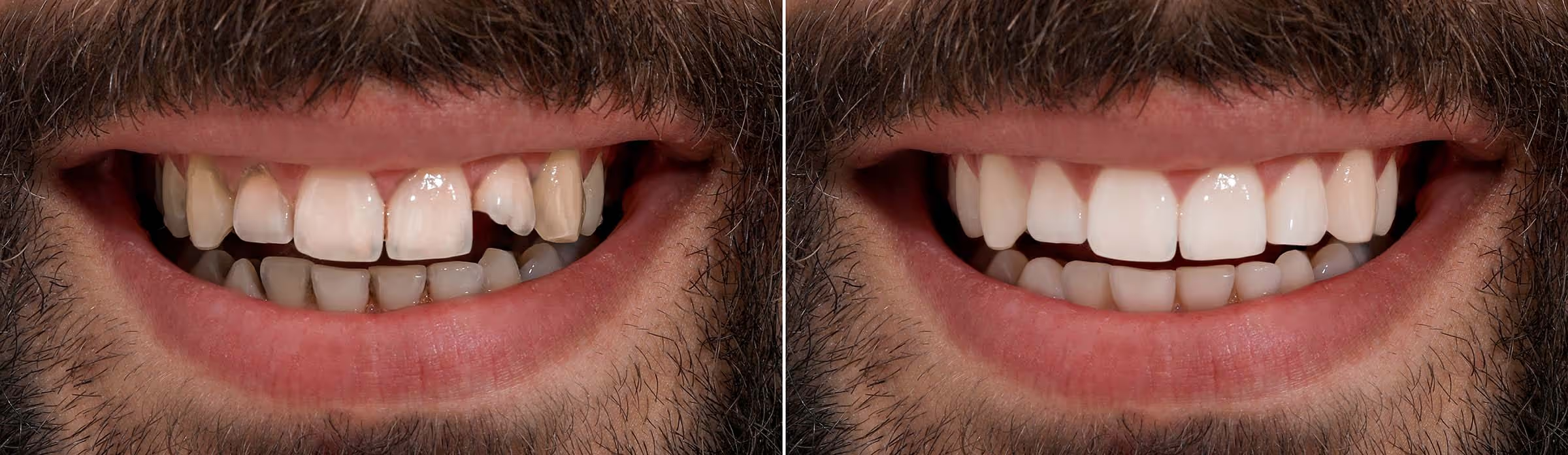
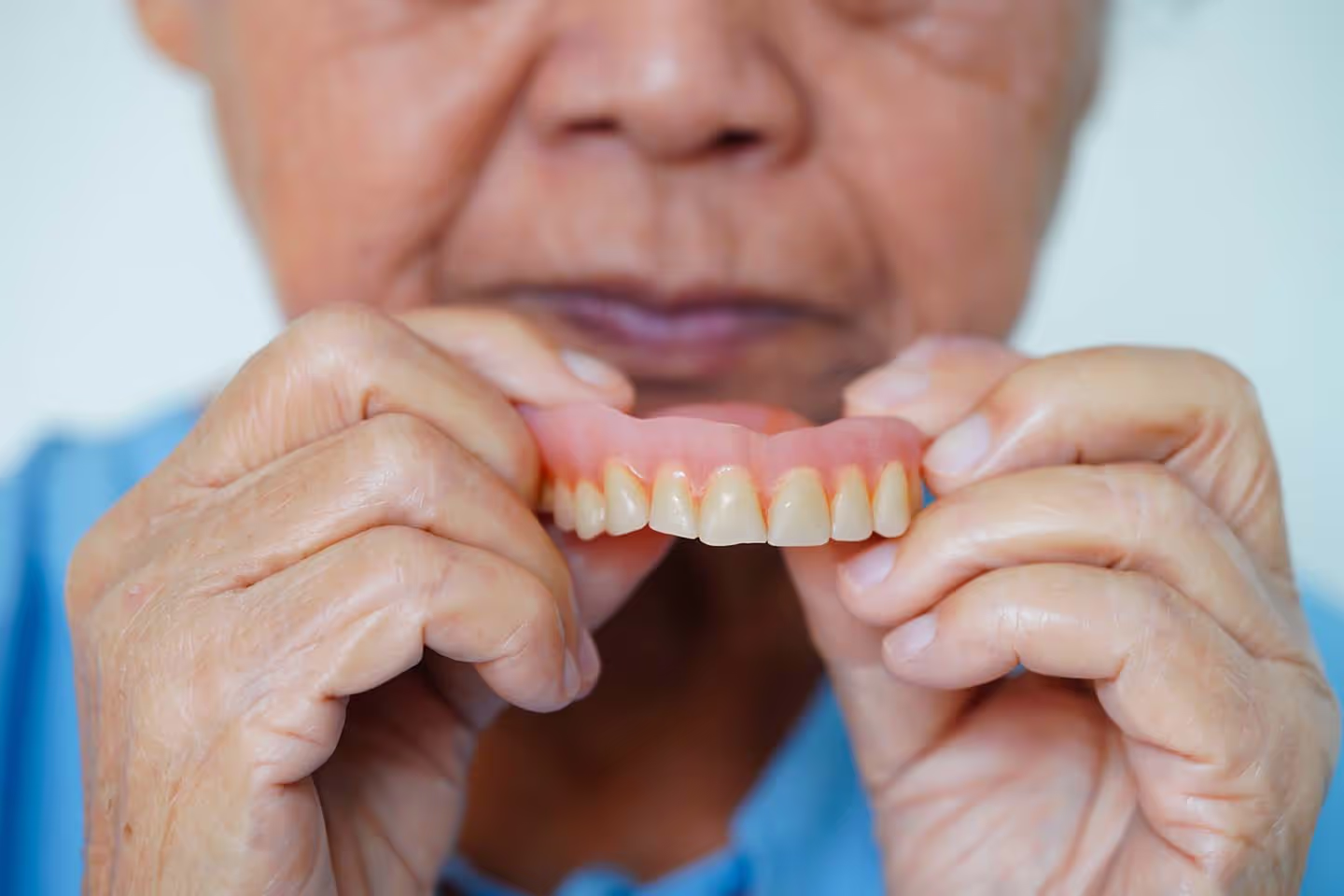
Restorative dentistry focuses on repairing or replacing teeth that are damaged, decayed, or missing. This includes everything from fillings and crowns to full dentures or bridges. For children, it often means addressing cavities early with gentle, minimally invasive treatment. For adults, it can involve rebuilding strength and function after years of wear, injury, or neglect. No matter your age or dental history, our dental care team in Converse, TX, offers treatment that meets you where you are—and helps you move forward with comfort and ease.



The restorative dentistry process
Understanding your needs
We begin with a thorough exam, digital X-rays, and an honest conversation about your goals. Dr. Kash takes the time to listen and explain your options clearly—whether you’re a parent bringing in your child or seeking treatment for yourself.
Building a personalized plan
Every smile is different. Once we understand your dental health, we create a tailored treatment plan that prioritizes your comfort, timeline, and budget. We’ll walk you through every step so there are no surprises.
Comfortable, effective treatment
Our modern tools and gentle techniques help make restorative visits easy. We offer local anesthesia and optional sedation to help ease nerves—especially for younger patients or adults with dental anxiety.
Supporting long-term success
After your treatment, we’ll check in to make sure everything feels great and functions well. We’ll also share simple tips to maintain your results and help prevent future issues.
Frequently asked questions
Common signs include complaints of sensitivity or pain when eating, but some cavities don’t cause any discomfort early on. That’s why regular checkups are so important—we can detect cavities early and treat them with minimal intervention.
A filling is used to restore a small area of decay, while a crown is used when a tooth is more severely damaged or weakened. A crown covers the entire tooth to restore shape and strength, and is often used after root canals or fractures.
We do everything we can to make treatment as comfortable as possible. We use gentle numbing techniques and offer sedation options if needed. Most patients—kids and adults—say the experience was much easier than they expected.