

The truth about dental problems—and why prevention saves your smile, time, and money
The Common Myth: “If It Doesn’t Hurt, It’s Fine”
Many people assume that if their teeth aren’t hurting, everything must be okay. Unfortunately, that’s one of the biggest misconceptions in dentistry.
By the time you feel pain, the problem has usually progressed far beyond the early stages—and often requires more complex (and expensive) treatment.
What’s Really Happening Before the Pain Starts
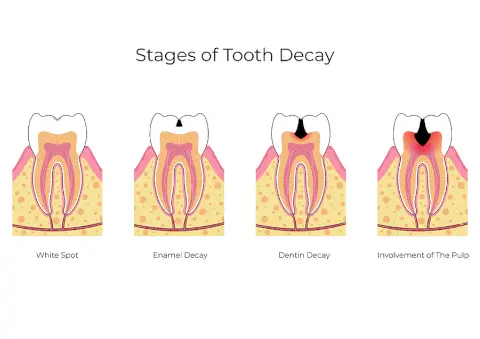
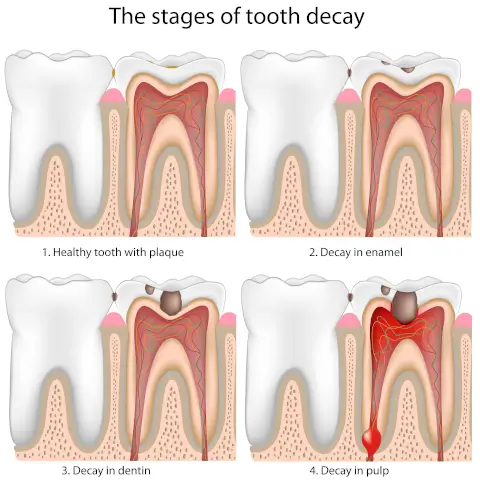
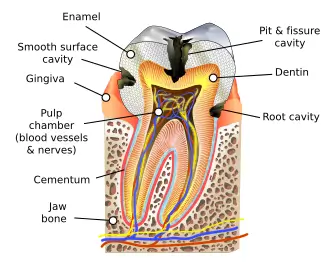
Dental issues develop silently at first:
- Stage 1: Enamel Damage
Early decay begins in the outer layer of the tooth. No pain. No symptoms. - Stage 2: Dentin Involvement
The decay spreads deeper. You might feel mild sensitivity—but often nothing noticeable. - Stage 3: Pulp Infection
Now the nerve is involved. This is when pain starts.
At this point, the tooth is no longer a “simple fix.”
Pain = Advanced Damage


When a tooth hurts, it usually means:
- The decay has reached the nerve
- There may be an infection or abscess
- The tooth structure is significantly compromised
What this often leads to:
- Root canal treatment
- Dental crowns
- Tooth extractions
- Possible bone loss or spreading infection
In other words… you’ve missed the window for the easiest solution.
Small Problems vs. Big Problems
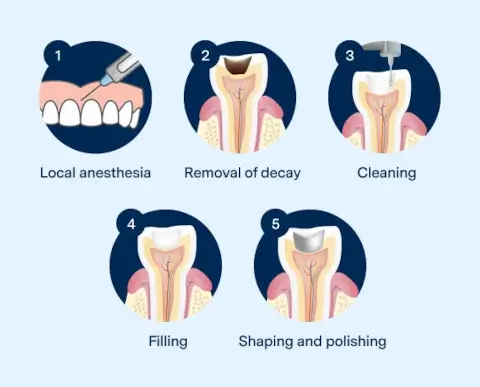
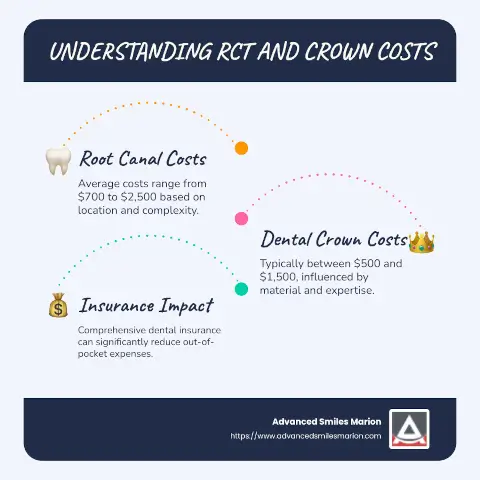
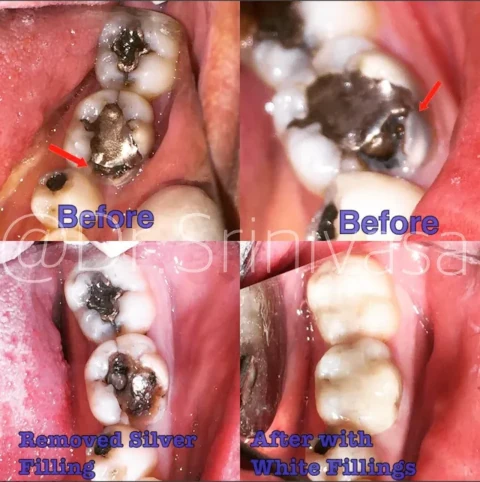
A tiny cavity caught early can often be fixed in 30–45 minutes.
Wait until it hurts… and now you’re looking at hours of treatment.
Why Teeth Don’t Warn You Early
Unlike other parts of your body, teeth don’t always send warning signals right away.
Reasons include:
- Enamel has no nerves
- Decay progresses slowly and silently
- Pain only occurs once the inner layers are affected
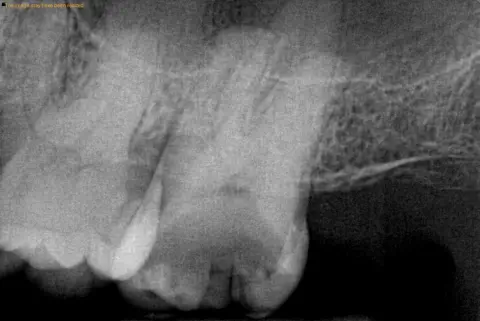
That’s why routine exams and X-rays are essential—they detect problems before you feel them.
This Is Even More Important for Kids
Many parents think:
“They’re just baby teeth—they’ll fall out anyway.”
That mindset can lead to:
- Painful infections
- Early tooth loss
- Crowding and orthodontic issues
- Speech and development problems
Catching issues early in children prevents lifelong dental complications.
How to Stay Ahead of Dental Problems


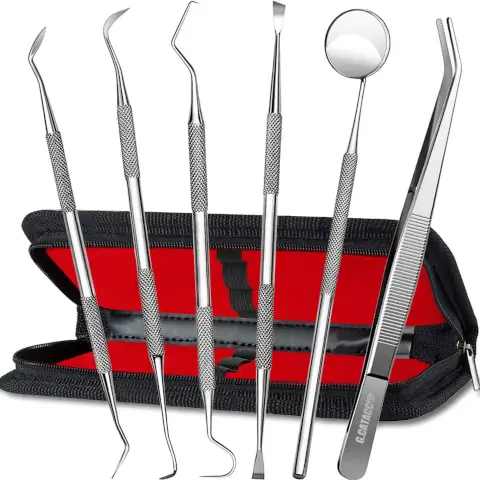
Simple habits that save your teeth:
- Regular dental checkups (every 6 months)
- Routine X-rays (to catch hidden decay)
- Professional cleanings
- Early treatment of small cavities
Prevention is always easier than repair.
The Bottom Line
If your tooth hurts, your body is telling you something important:
The problem has already progressed.
The goal of modern dentistry isn’t just to fix problems—it’s to catch them before they start hurting.
At Kashmere Dental Studios
We focus on early detection, gentle care, and stress-free treatment for patients of all ages.
Whether it’s your child’s first visit or you’ve been putting off that checkup—we’re here to make it easy, comfortable, and even enjoyable.
✔️ New Patient Special: $89 (Exam + XRAYs)
✔️ Sunday Appointments Available
✔️ Comfortable, anxiety-friendly care
Don’t Wait for Pain
Catching dental problems early can save your tooth—and your wallet.
Schedule your visit today and stay one step ahead of dental issues.
Share this post
Dr. Aakash Gupta
Dentist and Founder
Explore more blogs

September 11, 2026
Deep Cleaning vs Regular Cleaning
Do you need a deep cleaning or regular cleaning? Learn the difference and schedule a dental cleaning evaluation at Kashmere Dental Studios in Converse, TX.

September 21, 2026
Why Sunday Dental Appointments Are Easier for Busy Families
Busy during the week? Discover why Sunday dental appointments make dental care easier for families. Kashmere Dental Studios in Converse, TX is open Sundays for kids and adults.
September 11, 2026
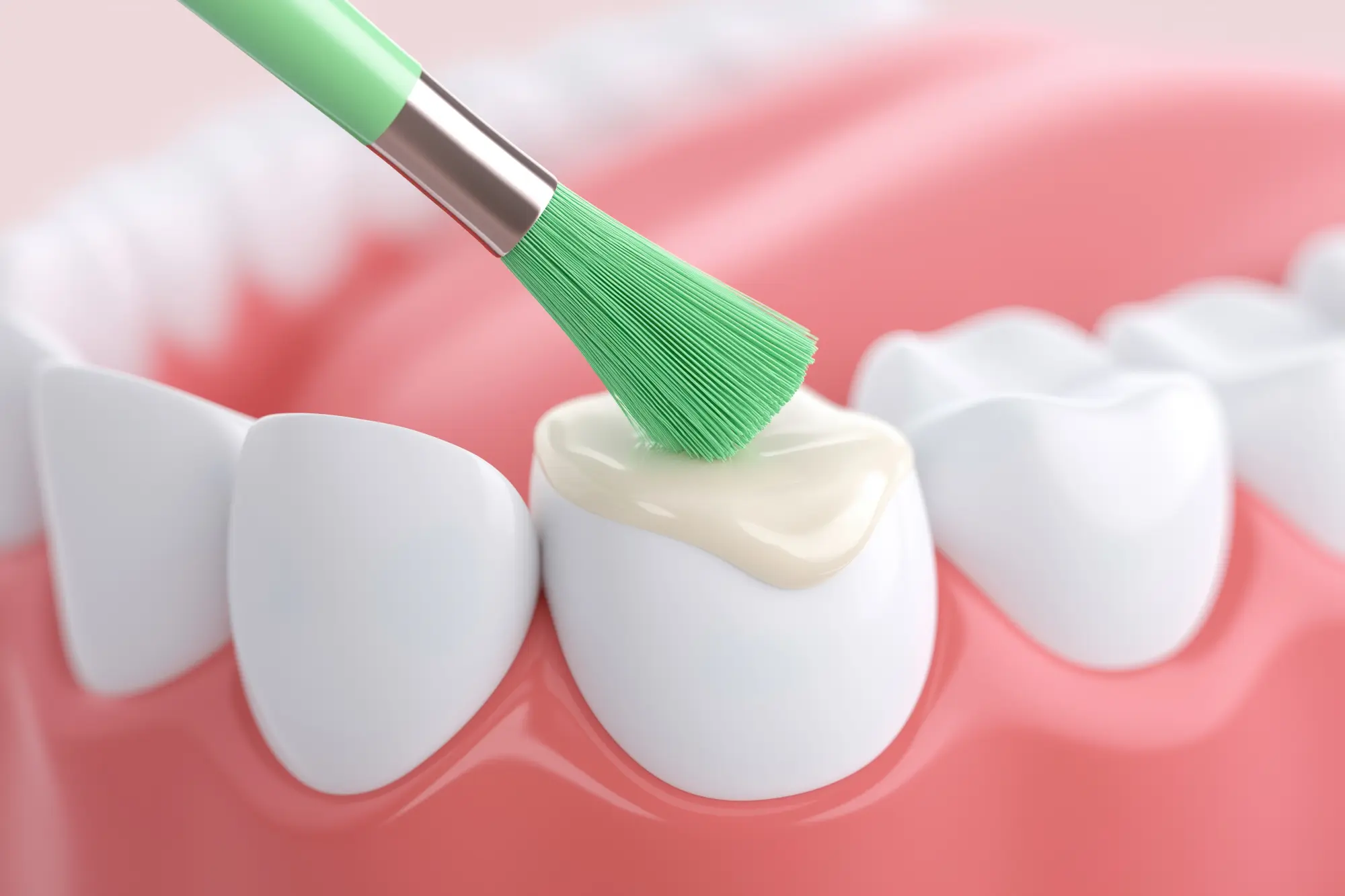
Is Fluoride Safe for Kids? What Parents in Converse Should Know
At Kashmere Dental Studios in Converse, TX, we know that navigating parenting decisions like these can feel overwhelming.

June 27, 2026
Oral Sedation vs. Laughing Gas: What’s Right for You or Your Child?
Every great story needs good direction, especially when your comfort and care are the top priorities.
September 11, 2026
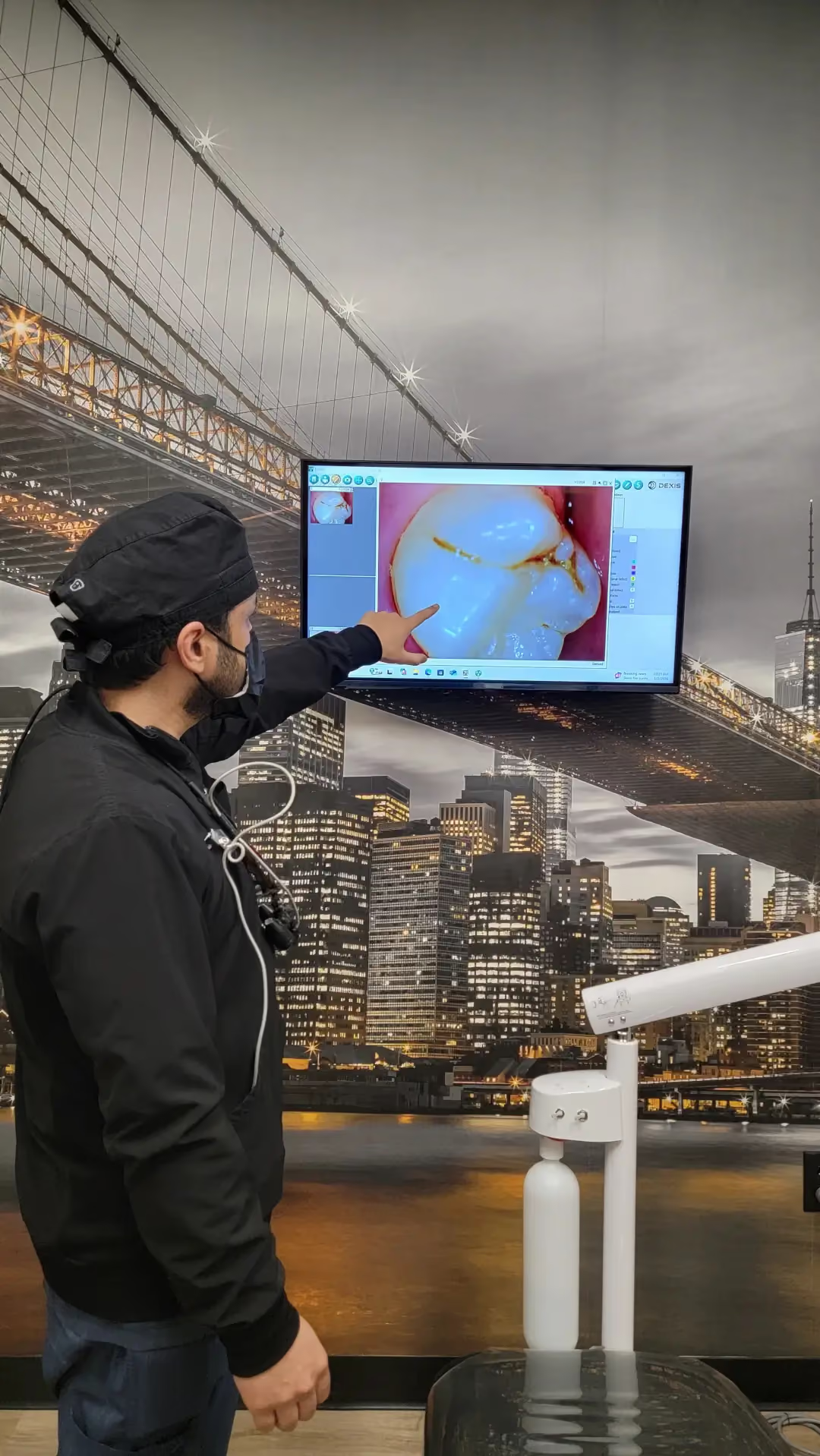
Why Your Tooth Didn’t Hurt… Until We Touched It
It’s one of the most common things patients say after a dental visit: “My tooth didn’t hurt until you worked on it.”

May 4, 2026
Why Waiting for Tooth Pain Means It’s Already Too Late
Many people assume that if their teeth aren’t hurting, everything must be okay. Unfortunately, that’s one of the biggest misconceptions in dentistry. By the time you feel pain, the problem has usually progressed far beyond the early stages—and often requires more complex (and expensive) treatment.

April 14, 2026
Why Baby Teeth Are Important: A Parent’s Guide to Healthy Child Development
Many parents ask, “Do baby teeth really matter if they’re going to fall out anyway?” The answer is yes — they matter a lot. Baby teeth, also called primary teeth, play an important role in your child’s growth, speech, nutrition, confidence, and future smile. At Kashmere Dental Studios, we help families in Converse and San Antonio understand why caring for baby teeth is one of the best things you can do for your child’s long-term health.

June 23, 2026
Welcome to Kashmere Dental Studios
Behind the fedora is Dr. Aakash Gupta, DMD, known by patients simply as Dr. Kash. Born and raised in Detroit with a background in film studies, Dr. Kash discovered dentistry after a chance encounter that showed him he could explain complex ideas with clarity and heart. He traded scripts for scalers and went on to graduate from UNLV School of Dental Medicine, where he earned multiple awards and induction into the Omicron Kappa Upsilon National Dental Honor Society.